
SEARCH PRODUCTS
How Coolant Reservoir Tank Design Supports Stable Engine Cooling Systems
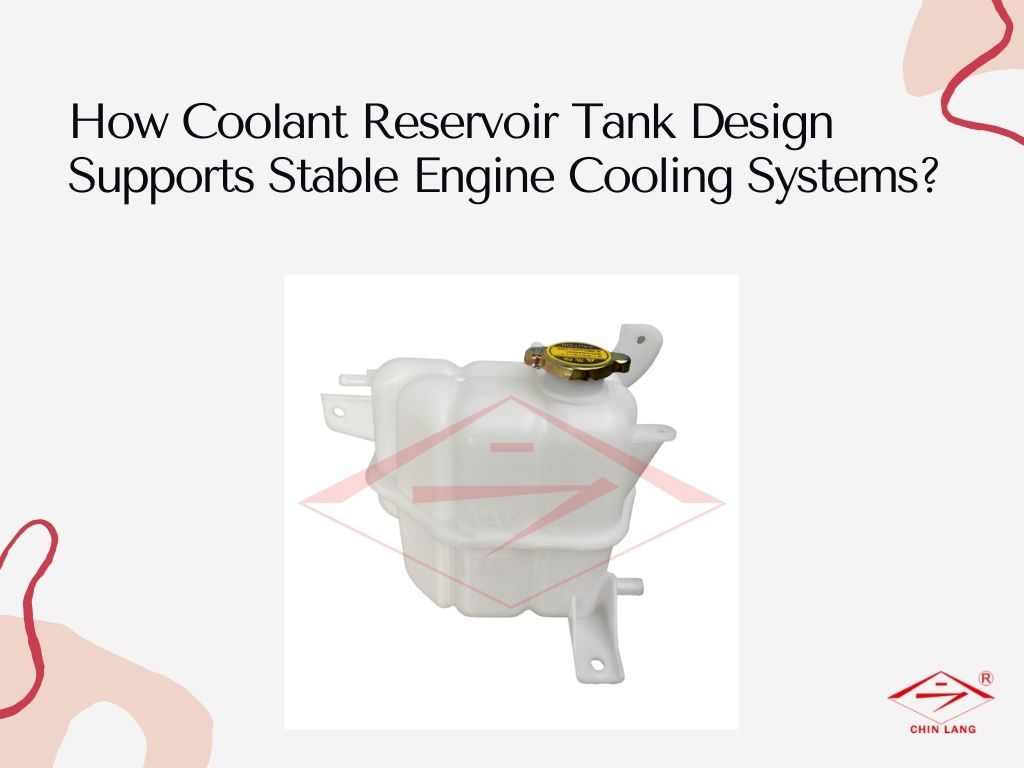
Modern engines rely on highly controlled thermal management systems to maintain stable operating temperatures under a wide range of driving conditions. While components such as radiators, water pumps, and thermostats often receive most of the attention, the coolant reservoir tank also plays a crucial role in maintaining cooling system balance and reliability.
A properly designed coolant reservoir tank helps regulate coolant expansion, maintain consistent pressure within the cooling circuit, and prevent air from entering the system. Without this component, fluctuations in coolant volume during temperature changes could lead to pressure instability, reduced cooling efficiency, and increased risk of overheating.
In practical automotive system development and production experience, including long-term manufacturing practice at Chin Lang Autoparts, engineers consistently observe that the design of the coolant reservoir tank directly influences the stability of the entire engine cooling system. Factors such as tank capacity, structural design, hose integration, and material durability all contribute to maintaining consistent coolant circulation and pressure balance.
Understanding how coolant reservoir tank design supports cooling system stability can help vehicle manufacturers, component suppliers, and maintenance professionals improve overall engine reliability.
The Role of the Coolant Reservoir Tank in Engine Cooling Systems
The coolant reservoir tank, sometimes referred to as an expansion tank, serves as a buffer within the cooling system. As engine temperatures rise, coolant expands and excess fluid flows into the reservoir. When temperatures decrease, coolant is drawn back into the radiator system.
This continuous process allows the cooling system to maintain optimal fluid levels while accommodating natural thermal expansion.
Key functions of a coolant reservoir tank include:
- Managing coolant expansion during temperature increases
- Maintaining proper system pressure
- Preventing air entry into the cooling circuit
- Providing a visual coolant level indicator
- Supporting coolant recovery when temperatures drop
Without a properly functioning coolant reservoir tank, the cooling system would struggle to maintain stable fluid levels and pressure conditions.
Managing Coolant Expansion and Pressure Stability
Engine coolant expands significantly as temperatures increase. During normal driving conditions, the coolant temperature may fluctuate between ambient temperature and over 100°C.
The coolant reservoir tank allows the system to safely accommodate this expansion without causing pressure spikes or coolant loss. By temporarily storing excess coolant, the reservoir prevents overflow from the radiator and ensures fluid can be returned to the system when temperatures stabilize.
This expansion management helps maintain:
- Consistent coolant circulation
- Stable radiator pressure
- Reliable heat transfer performance
Proper pressure regulation is especially important for modern engines that operate within narrow thermal tolerances.
Preventing Air Entrapment in the Cooling System
Air trapped inside a cooling system can significantly reduce cooling efficiency. Air pockets prevent proper coolant circulation and may cause localized overheating in engine components.
A well-designed coolant reservoir tank helps prevent this issue by maintaining a controlled coolant recovery process. As coolant flows back into the system during cooling cycles, the reservoir ensures that liquid coolant rather than air is drawn back into the radiator.
This function improves:
- Cooling efficiency
- Engine temperature stability
- Long-term reliability of the cooling system
Structural Design Considerations for Reservoir Tanks
Tank Capacity
Reservoir volume must be sufficient to accommodate coolant expansion without causing overflow during high-temperature operation.
Internal Flow Management
Proper internal design helps guide coolant flow during expansion and recovery cycles, preventing turbulence and air introduction.
Hose and Connector Integration
Secure hose connections ensure stable coolant flow between the radiator and reservoir tank.
Mounting Stability
The reservoir tank must remain securely positioned within the engine compartment to avoid vibration-related stress or connector loosening.
Material Requirements for Coolant Reservoir Tanks
Because the coolant reservoir tank operates under elevated temperatures and chemical exposure, material selection is critical.
Common requirements include:
- Heat resistance
- Chemical resistance to coolant additives
- Structural durability under pressure changes
- Resistance to vibration and fatigue
High-quality automotive reservoir tanks are typically produced using durable plastic materials designed to withstand continuous thermal cycling and long-term coolant exposure.
Cooling System Stability in Different Vehicle Applications
| Vehicle Type | Cooling System Requirement |
|---|---|
| Passenger Vehicles | Compact tank design and moderate expansion capacity |
| Commercial Trucks | Larger coolant capacity and stronger structural design |
| Off-Road Vehicles | Enhanced vibration resistance |
| Fleet Vehicles | High durability for long operating hours |
Coolant Reservoir Tank Manufacturing at Chin Lang Autoparts
Chin Lang Autoparts manufactures coolant reservoir tanks designed for reliable integration into automotive cooling systems across a wide range of vehicle platforms. The company’s product lineup includes coolant tanks engineered to support stable coolant expansion management and consistent cooling system operation.
These reservoir tanks are developed with careful attention to structural durability, connector reliability, and compatibility with various engine bay layouts. Design and production processes emphasize consistent quality and performance to ensure long-term operation under real-world driving conditions.
With extensive experience in automotive component manufacturing, Chin Lang Autoparts supports OEM and aftermarket customers by providing coolant reservoir tank solutions that contribute to stable engine cooling performance and overall vehicle reliability.
FAQ — Coolant Reservoir Tank Design and Function
1. What does a coolant reservoir tank do in a vehicle?
It stores excess coolant during thermal expansion and returns coolant to the radiator system when temperatures decrease.
2. Can a poorly designed reservoir tank affect engine temperature stability?
Yes. Insufficient capacity or poor design may lead to coolant loss, air entry, or pressure instability.
3. Why are coolant reservoir tanks made from plastic instead of metal?
Modern plastic materials offer strong heat resistance, chemical compatibility with coolant, and reduced weight.
4. Does reservoir tank location matter?
Yes. Placement affects coolant flow, heat exposure, and accessibility for maintenance.
5. Can a damaged reservoir tank affect the entire cooling system?
Yes. Cracks or leaks can cause coolant loss and introduce air into the system, leading to overheating risks.
Work with a Reliable Coolant Reservoir Tank Manufacturer
Maintaining stable engine temperatures requires a well-designed cooling system in which every component plays a critical role. A properly engineered coolant reservoir tank supports pressure stability, coolant expansion management, and long-term system reliability.
With decades of experience in automotive component manufacturing, Chin Lang Autoparts provides coolant reservoir tank solutions designed for durability, stable performance, and compatibility with modern vehicle cooling systems.
Contact Chin Lang Autoparts to learn more about coolant reservoir tank products and development support for automotive cooling system applications.