
SEARCH PRODUCTS
Common Signs of a Failing Reservoir Tank and When to Replace It
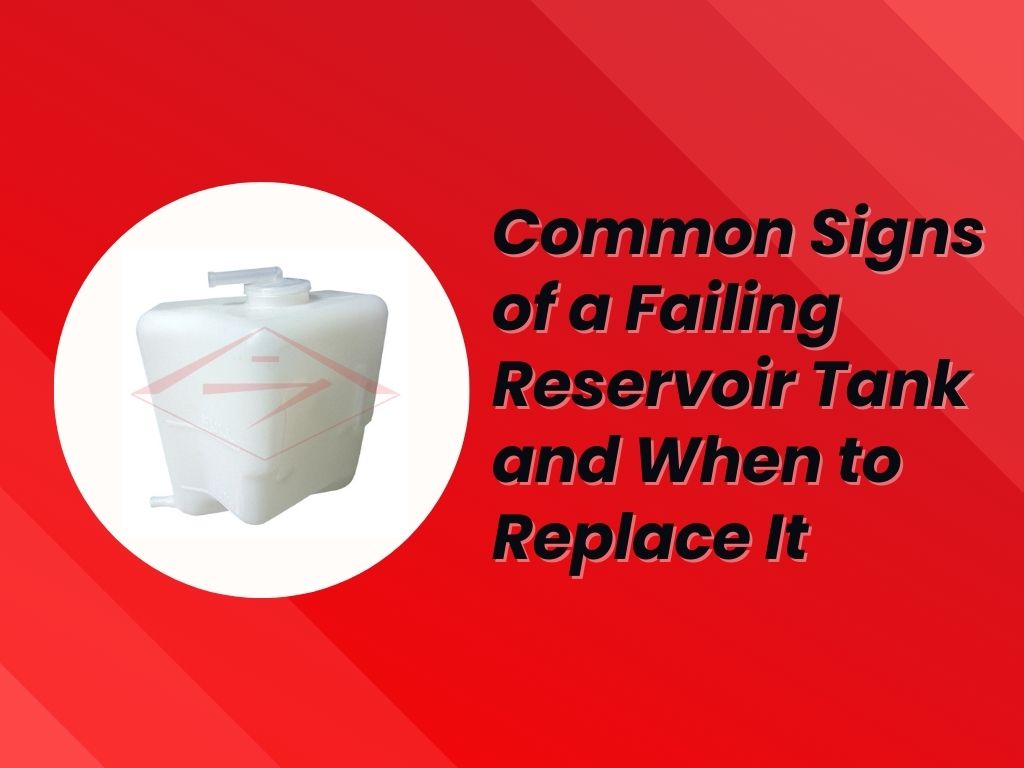
A vehicle’s cooling system is designed to operate under continuous temperature changes and pressure cycles. While major components such as the radiator and cooling fan often receive attention, the reservoir tank plays an equally important supporting role. It stores excess coolant during thermal expansion and supplies it back to the system during cooling cycles. When the reservoir tank begins to fail, the entire cooling system becomes vulnerable to leaks, air intrusion, and overheating.
With long-term experience supplying automotive cooling and fluid management components to global OEM and aftermarket customers, Chin Lang Autoparts has observed that many cooling system failures originate not from the radiator or water pump, but from unnoticed deterioration of the reservoir tank. Understanding early warning signs allows vehicle owners, fleet operators, and maintenance teams to replace the tank before costly engine damage occurs.
Why Reservoir Tank Condition Matters
The reservoir tank is continuously exposed to:
- High-temperature coolant
- Internal pressure cycles
- Chemical additives
- Engine bay vibration
- Environmental aging
Over time, these factors gradually weaken plastic structure and sealing interfaces. Because deterioration happens slowly, problems often remain hidden until the system suddenly loses coolant or overheats.
Common Signs of a Failing Reservoir Tank
Visible Cracks or Surface Discoloration
Aging plastic may develop hairline cracks or turn yellowish and brittle. These visual changes indicate reduced material strength and rising risk of leakage.
Coolant Level Drops Without External Hose Leaks
If coolant levels fall repeatedly but hoses and the radiator show no leaks, the reservoir tank itself may be seeping fluid through micro-cracks.
Deformation or Swollen Tank Shape
Excessive heat or poor material resistance can cause tank walls to warp or bulge, affecting cap sealing and hose connections.
Coolant Smell Near the Engine Bay
A sweet coolant odor after driving often signals slow evaporation from a leaking reservoir tank.
Frequent Overheating or Low Coolant Warnings
When the reservoir cannot properly store and return coolant, air may enter the system, reducing circulation efficiency and triggering overheating.
Loose or Leaking Hose Connections
Worn or deformed inlet and outlet ports on the tank can prevent secure hose sealing, leading to recurring coolant loss.
Risks of Ignoring Reservoir Tank Failure
- Progressive coolant loss
- Air pockets in the cooling system
- Water pump damage
- Radiator inefficiency
- Sudden engine overheating
- Costly head gasket or engine repairs
Because the reservoir tank is a relatively low-cost component compared to engine repair, early replacement is a highly cost-effective preventive measure.
When Should You Replace a Reservoir Tank?
- Cracks, brittleness, or deformation are visible
- Coolant level drops repeatedly
- The tank is over five to seven years old in high-temperature environments
- The vehicle has experienced prior overheating events
- Cap or hose ports no longer seal securely
For fleet and commercial vehicles operating continuously, scheduled inspection during routine maintenance intervals is strongly advised.
Passenger Cars vs. Commercial Vehicles
Commercial trucks and heavy-duty vehicles place greater stress on reservoir tanks due to:
- Higher engine thermal output
- Longer daily operating hours
- Constant vibration
- Dust and harsh environments
For these applications, reinforced reservoir tank design and stable material performance are essential to prevent unexpected downtime.
OEM-Quality vs. Low-Grade Reservoir Tanks
| Aspect | OEM-Quality Reservoir Tank | Low-Grade Replacement Tank |
|---|---|---|
| Plastic Material | Heat and chemical resistant | Inconsistent heat resistance |
| Structural Stability | Maintains shape under pressure | Risk of deformation |
| Sealing Accuracy | Secure hose and cap interfaces | Higher leak probability |
| Service Life | Long-term durability | Early aging and cracking |
| Cooling Reliability | Stable coolant control | Higher overheating risk |
Reservoir Tank Manufacturing at Chin Lang Autoparts
Chin Lang Autoparts produces automotive reservoir tanks as part of an integrated cooling system product portfolio for passenger cars and commercial vehicles.
- Engineering-grade plastics selected for thermal and chemical stability
- Precision molding for consistent wall thickness
- Secure port and cap interface design to prevent leakage
- Model-specific development aligned with OEM requirements
- Stable production quality for global supply programs
By focusing on material reliability and manufacturing precision, Chin Lang Autoparts helps customers reduce cooling system warranty risks and long-term maintenance costs.
FAQ: Reservoir Tank Maintenance
1. Can I continue driving with a cracked reservoir tank?
Not recommended. Even small cracks can suddenly expand and cause rapid coolant loss.
2. Does replacing the reservoir tank require changing coolant?
Yes. Coolant should be refilled and air bled from the system after replacement.
3. Can a bad reservoir tank damage the radiator?
Indirectly yes. Air entering the system reduces radiator efficiency.
4. Are plastic reservoir tanks durable enough?
Yes, when manufactured with OEM-grade heat-resistant materials.
5. How do I ensure correct tank fitment?
Confirm vehicle model, year, and OEM specifications before replacement.
Partner with a Trusted Reservoir Tank Manufacturer
A reliable cooling system starts with the right components. Whether you are an automaker, fleet operator, or aftermarket distributor, selecting a high-quality reservoir tank is essential for long-term cooling performance and vehicle safety.
With decades of experience in automotive fluid management manufacturing, Chin Lang Autoparts provides OEM-standard reservoir tanks designed for passenger cars, trucks, and commercial vehicles. Our engineering team supports model-specific development, stable production quality, and global supply programs.
If you are looking for a trusted partner for automotive reservoir tank manufacturing, we are ready to support your next project.
Contact Chin Lang Autoparts to discuss specifications, OEM development, and supply opportunities.