
SEARCH PRODUCTS
Top Signs Your Wiper Linkage Is Failing and When to Replace It
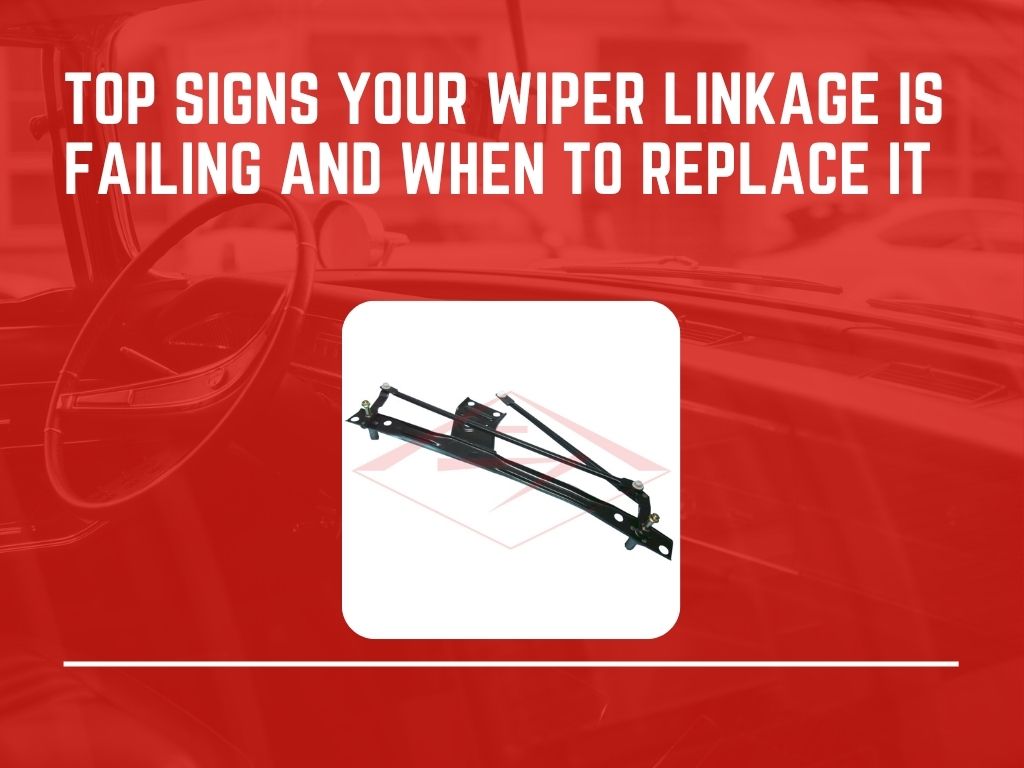
Maintaining clear visibility while driving is a fundamental safety requirement, especially in harsh weather such as heavy rain, snow, or thick road mist generated by nearby vehicles. Your windshield wipers must perform reliably under these conditions — and one of the most critical parts that makes this possible is the wiper linkage. By transferring motion from the wiper motor to the wiper arms, the linkage ensures smooth and synchronized wiping action that keeps the windshield clean.
At Chin Lang Autoparts, we specialize in manufacturing durable and precision-engineered wiper linkage assemblies for passenger cars and commercial vehicles. Based on more than four decades of industry experience, this article is designed to help drivers, vehicle maintenance technicians, and distributors identify early warning signs before a failing linkage becomes a safety hazard.
How a Wiper Linkage Assembly Works
A properly functioning automotive wiper linkage consists of:
-
Transmission link rods
-
Pivot shafts and joints
-
Bushings and connecting components
-
Steel arm mechanisms designed to resist high torque
When the wiper motor rotates, the linkage converts that motion into the sweeping arc movement needed to clear the windshield. Even minor wear in these components can interrupt performance, making early inspection essential.
Five Warning Signs Your Wiper Linkage Is Failing
1. Wipers Move Out of Sync
One wiper may lag or travel differently due to loosened joints or mechanical imbalance.
2. Only One Wiper Operates
A disconnected or broken link rod prevents movement from reaching both arms. Do not operate the vehicle in rainy conditions if this occurs.
3. Wipers Stutter, Stall, or Stop Mid-Wipe
Weak linkage components struggle under heavy friction from rain or snow and may overload the wiper motor.
4. Clicking or Grinding Noises
These noises signal excessive friction or metal-to-metal contact that could lead to sudden failure.
5. Loose or Wobbly Wiper Arms
Deteriorated bushings allow too much free movement, ultimately risking detachment of the arm.
Truck vs. Passenger Car Wiper Linkages
Commercial vehicles operate in harsher conditions, often requiring stronger wiper linkage assemblies to support:
-
Larger glass area and higher wiping load
-
Long-distance, continuous operation
-
Harsh weather, mud, and dust exposure
-
High vibration environments
| Vehicle Type | Environmental Stress | Durability Requirement | Recommended Design |
|---|---|---|---|
| Passenger Cars | Standard road conditions | Regular rigidity | Precision-machined steel linkage |
| Trucks and Commercial Vehicles | Heavy weather, dust, high vibration | High torque resistance and rigidity | Reinforced steel with anti-corrosion coating |
When Should You Replace a Wiper Linkage?
Consider replacement when:
-
Wipers slip, stall, or cannot complete a full sweep
-
Linkage rods or bushings show rust or cracking
-
Wiper arms feel loose even after tightening
-
Audible noise from the cowl area increases over time
Suggested inspection cycles:
-
Every 12–18 months in severe climates
-
Every 18–24 months in typical environments
Proactive replacement prevents emergencies during poor weather.
Why OEM-Quality Linkages Matter
OEM-standard wiper linkage assemblies provide:
-
Smooth and synchronized motion
-
Strong resistance to wearing forces
-
Longer lifespan and reduced maintenance frequency
-
Proper fitment for stable and reliable performance
Lower-grade alternatives often deform or loosen prematurely.
Wiper Linkage Manufacturing at Chin Lang Autoparts
With over 40 years of automotive engineering expertise, Chin Lang Autoparts manufactures a complete range of windshield wiper system components — including wiper linkages, wiper motors, wiper arms, and assembly sets — supporting both passenger cars and commercial vehicles.
Our wiper linkage solutions offer:
-
Reinforced steel structures engineered for durability under high-load operation
-
Corrosion-resistant coating to withstand challenging weather and road conditions
-
Tight mechanical tolerances for smooth and synchronized wiping performance
-
Model-specific design and tooling tailored to OEM and aftermarket requirements
-
Flexible and scalable production to support global supply chains
Each product is built under strict quality control to ensure long-lasting reliability and driving safety.
FAQ: Troubleshooting and Replacement Guide
1. Can I still drive if one wiper stops working?
No. Reduced visibility is considered unsafe and should be corrected immediately.
2. Will a worn linkage damage the wiper motor?
Yes. Extra mechanical resistance can cause overheating or motor failure.
3. Can I replace only the bushings?
If wear is isolated, yes. But full replacement is recommended when multiple parts are loose.
4. What causes premature linkage corrosion?
Exposure to moisture, road salt, and extreme temperature cycles.
5. How do I select the right replacement linkage?
Confirm vehicle model, year, configuration, and OEM compatibility.
Final Thoughts
A wiper linkage may be hidden beneath the vehicle’s cowl, but its importance cannot be overlooked. By recognizing early failure symptoms and choosing a high-quality replacement, drivers ensure clear visibility and prevent avoidable breakdowns in dangerous weather.
As a trusted global manufacturer, Chin Lang Autoparts is committed to delivering dependable wiper linkage solutions that enhance driving safety and performance. Contact our team today to learn more about model-specific options and customized OEM development.