
SEARCH PRODUCTS
The Importance of Coolant Reservoir Tank Maintenance in Heavy-Duty Trucks
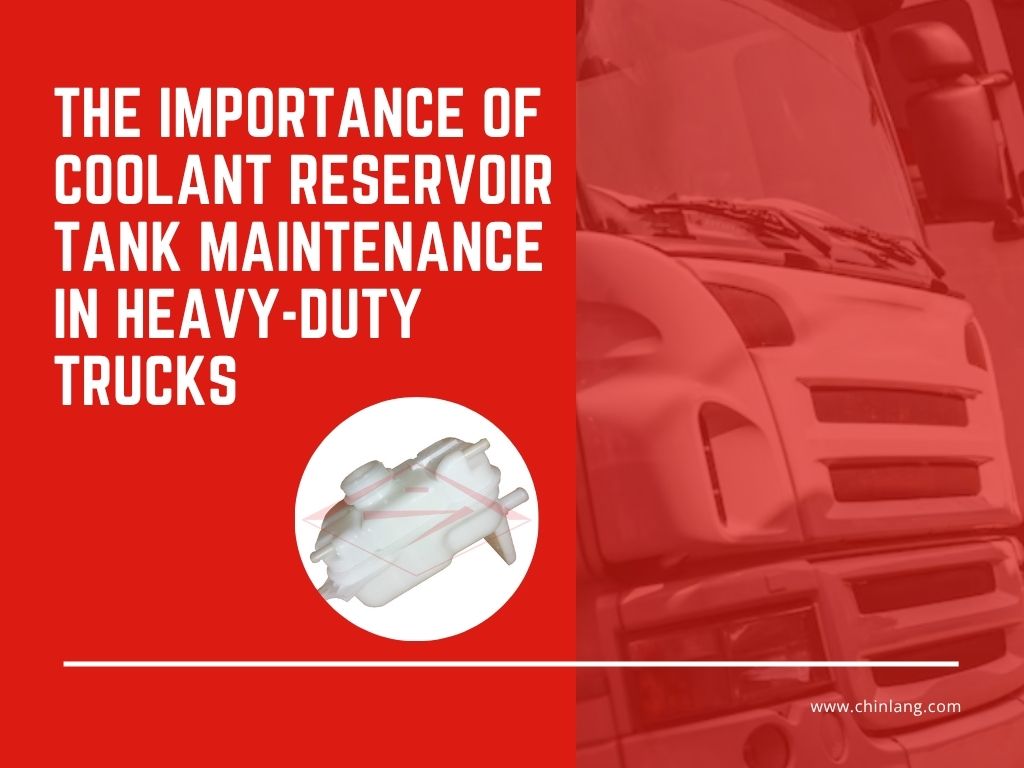
When it comes to heavy-duty truck performance, cooling efficiency is one of the most critical factors in ensuring long-term reliability. At the heart of the cooling system lies a key yet often underestimated component — the coolant reservoir tank. This simple-looking tank plays a vital role in managing the engine’s temperature, preventing overheating, and maintaining consistent performance during demanding operations.
As a trusted manufacturer of automotive and commercial vehicle components, Chin Lang Autoparts understands the challenges faced by heavy-duty trucks that operate under high loads and in extreme weather conditions. In this article, we’ll explore why coolant reservoir tank maintenance is essential, common failure causes, and how quality design enhances overall engine health.
The Function of a Coolant Reservoir Tank in Heavy-Duty Trucks
In any internal combustion engine, coolant circulates through the radiator and engine block to absorb and dissipate heat. The coolant reservoir tank — also known as an expansion tank — provides extra space for coolant to expand and contract as temperatures fluctuate. It ensures that coolant levels remain stable, preventing air pockets and maintaining proper system pressure.
For heavy-duty trucks, which run for long hours and handle high thermal loads, the reservoir tank is even more crucial. It stabilizes the cooling process, protects against overheating during climbs or idling, and minimizes coolant loss caused by expansion.
Why Maintenance Matters
Because the coolant reservoir tank is directly exposed to heat cycles and pressure fluctuations, neglecting its maintenance can lead to significant problems. A cracked or leaking tank may result in:
-
Coolant loss and reduced cooling efficiency
-
Overheating that damages gaskets or the cylinder head
-
Increased downtime and repair costs for fleets
Routine inspections can help detect early signs of damage such as discoloration, warping, or visible cracks. Replacing the tank before complete failure not only saves repair expenses but also extends the lifespan of other heavy-duty truck parts connected to the cooling system.
Common Coolant Reservoir Tank Issues
Heavy-duty applications expose reservoir tanks to a wide range of operating conditions. Below are common issues that can arise if not properly maintained:
-
Material Fatigue: Continuous heat cycles cause plastic tanks to harden and become brittle over time.
-
Coolant Contamination: Dirt, oil, or rust in the cooling system can clog passages or degrade tank integrity.
-
Improper Pressure Cap Sealing: A weak cap can lead to pressure imbalance, causing leaks or coolant overflow.
-
Incorrect Coolant Mixture: Using the wrong coolant type can accelerate corrosion and reduce tank lifespan.
Addressing these issues promptly ensures reliable engine performance and prevents costly breakdowns on the road.
Maintenance Tips for Fleets and Operators
For fleet operators and maintenance teams, these best practices can help maintain cooling efficiency and avoid unexpected failures:
-
Inspect the Tank Regularly: Check for cracks, leaks, or deformation during routine service intervals.
-
Use OEM-Specified Coolant: Always match the coolant type recommended by the vehicle manufacturer.
-
Replace Pressure Caps with Care: Ensure they maintain correct pressure levels to protect the system.
-
Flush the Cooling System: Periodically remove old coolant and debris to maintain optimal flow and temperature control.
-
Choose Quality Replacement Parts: Use durable, corrosion-resistant coolant reservoir tanks designed for heavy-duty performance.
Chin Lang Autoparts: Supporting Heavy-Duty Cooling Solutions
At Chin Lang Autoparts, we produce coolant tanks and washer tanks for a variety of trucks, including Kenworth, Peterbilt, Freightliner, International, Volvo, and Mack. Our product line covers multiple truck models, offering reliable replacements designed for endurance and precision. Each tank undergoes strict quality control to ensure resistance to vibration, heat, and pressure — conditions common in heavy-duty applications.
We also continue to invest in research and development to meet evolving industry standards. By integrating advanced molding technology and robust plastic materials, our coolant reservoir tanks deliver consistent performance, reduce maintenance frequency, and improve overall vehicle efficiency.
Final Thoughts
The coolant reservoir tank might not be the most noticeable component in a heavy-duty truck, but it plays an indispensable role in keeping engines cool and efficient. Regular inspection, proper maintenance, and using quality parts can prevent costly downtime and extend fleet service life.
For distributors, fleet managers, and OEM partners seeking dependable cooling system components, Chin Lang Autoparts provides proven solutions built for durability, precision, and long-term value.
Contact us today to learn more about our coolant reservoir tank options and how we can support your heavy-duty vehicle needs.